
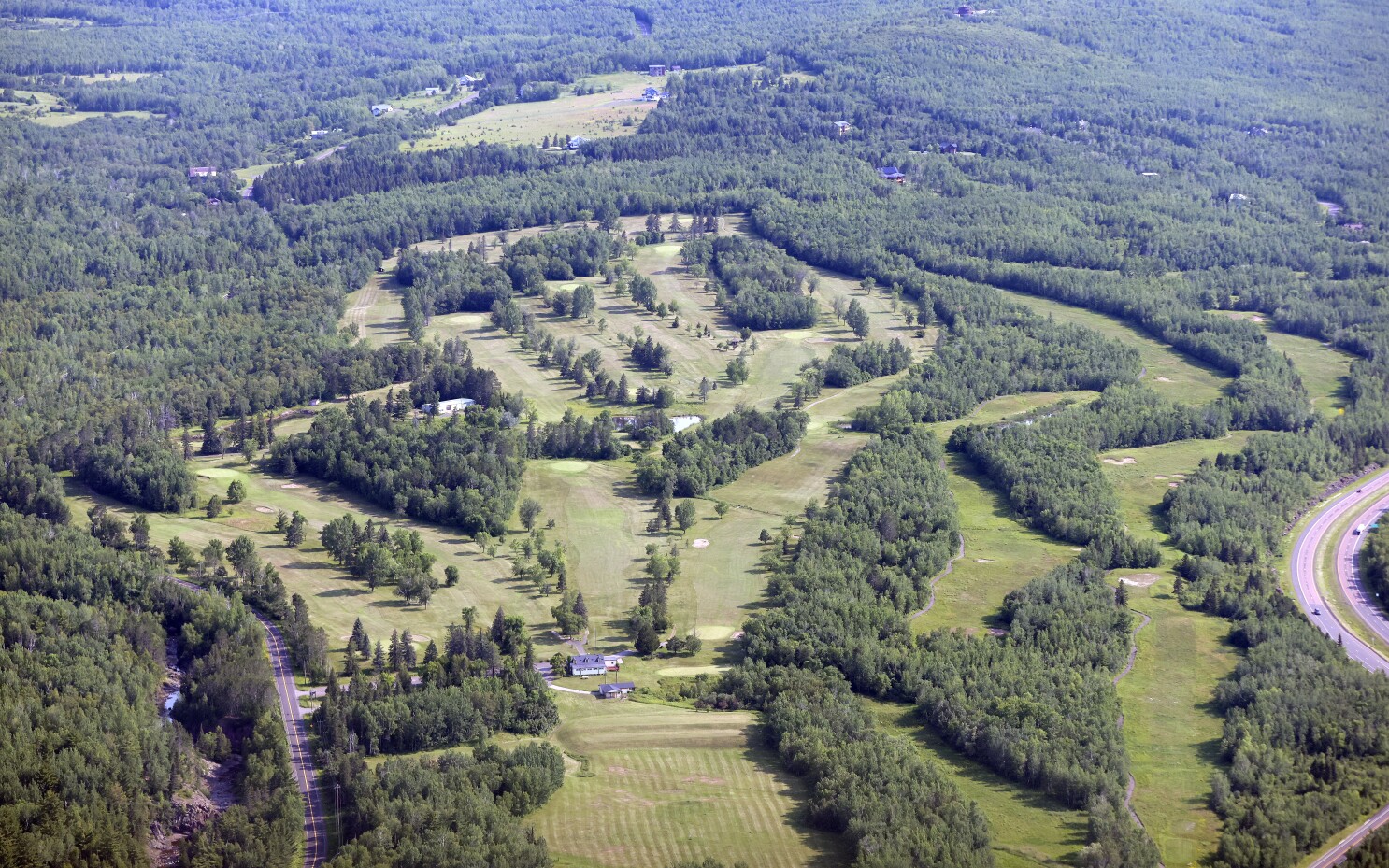
The Future of Lester Park Golf Course: A Community at a Crossroads
The Lester Park Golf Course, which shaped countless childhoods and family memories, is now at the center of a contentious debate in Duluth. Having seen better days and now largely deserted aside from the occasional dog-walker, the property’s future remains uncertain. City officials and community leaders are wrestling with the tangled issues of how best to repurpose this iconic 260-acre space. Amid proposals for housing developments and innovative outdoor recreation initiatives, the community is left to navigate a series of tricky parts and subtle details that could make or break the legacy of Lester Park.
In this opinion editorial, we will take a closer look into the twists and turns shaping this debate, discussing the various proposals, the role of public involvement, and the potential for transforming the abandoned golf course into a vibrant hub for outdoor education and recreational activity. We’ll also consider the ramifications of transferring control to the Duluth Economic Development Authority (DEDA) and what that might mean for public land preservation versus private development.
A Historical Look at Lester Park Golf Course and Its Decline
Lester Park Golf Course has long been a cherished recreational asset in Duluth. For generations, residents flocked to its lush greens and scenic fairways. However, following a series of operational challenges, including a failing irrigation system that threatened to shut the course down completely, the decision was taken by the Larson administration during the onset of COVID to close the facility. This decision, although supported by some due to the intimidating prospect of system collapse, sparked mixed reactions among the community.
City Councilor At Large Arik Forsman recalled that the decision to prioritize the Enger Park Golf Course over Lester Park began nearly a decade ago around 2017-2018. The plan was originally to ensure that at least one course remained operational while Lester Park was kept as a backup option. But once the icy grip of COVID took hold, funding shortages, and maintenance issues turned an already problematic property into a largely unusable space.
Since its closure, Lester Park has been left to deteriorate, its clubhouse boarded up and its once pristine grounds succumbing to neglect. What remained daunting was the community’s clear realization that the current state of the property—mostly used as a makeshift dog park—was far from the space’s original, much-loved purpose.
Balancing Housing Development with Community Recreation
One of the chief points of debate centers on the conflicting visions for Lester Park’s future. On one hand, some city officials see the golf course as a prime site for housing development. With Duluth facing growth pressures, turning the property into a residential development could address some of the urgent needs for housing. Forsman acknowledges that a transfer to DEDA could reframe the discussion, not as a transition from a recreational facility to housing wholesale, but rather a challenge to find the right balance between development and preserving green spaces.
On the other hand, local groups like the Duluth Area Outdoor Alliance and mountain bike organizations argue for an alternative: transforming Lester Park into an outdoor recreation haven. Their suggestion isn’t just about keeping a patch of land as a park, but about rethinking how the area could function as a beginner trail for a variety of outdoor activities. According to COGGS Executive Director Ansel Schimpff, this approach would provide a safe and accessible environment for those just starting in outdoor sports—whether it’s mountain biking, cross-country running, or hiking.
This duality reveals the nerve-racking challenge that urban planners face: how to ensure that development meets housing demands without stripping away community treasures that nourish local culture and well-being. It’s a balancing act brimming with subtle details, such as zoning laws, land use priorities, and the essential requirement to keep public spaces supportive for outdoor education and community activities.
Housing Development: Need Versus Community Value
The inclination toward housing development is fueled by a critical need for more homes in Duluth. For many community members, the prospect of broad-scale development seems like a necessary change—especially considering the pent-up impatience after years of neglect. However, it is important that such development be approached thoughtfully and inclusively.
Forsman explained that transferring the property to DEDA would not immediately commit the land to a specific development plan. Instead, it would kick off a public planning process where housing proposals, public park spaces, and other recreational areas would all be subject to a rigorous land use study. This study, which could take up to a year, is tasked with gathering public input to ensure that local residents have a say in shaping the future of Lester Park.
Key considerations in any housing proposal include:
- Preservation of green spaces and recreational areas
- Integration of community amenities that support healthy lifestyles
- A balanced mix of residential, commercial, and public land use
- The potential impact on local traffic and infrastructure
- Inclusivity in planning processes through extensive public consultation
While developers may see a blank canvas ready for ambitious projects, community advocates are keen to ensure that the final plan respects Lester Park’s history and the everyday needs of Duluthians. This tug-of-war between immediate economic incentives and long-term social and recreational benefits is full of problems that need to be ironed out through transparent and inclusive decision-making.
Enhancing Outdoor Recreation and Education
The alternative vision for Lester Park centers on tapping into Duluth’s rich culture of outdoor recreation. With plenty of trails scattered around the city, there’s a growing recognition that a dedicated, beginner-friendly facility for outdoor sports could serve as an invaluable resource. Groups like the Duluth Cross Country and the Duluth Foot Trails Association are rallying behind the idea of a revamped Lester Park that caters to novices and seasoned enthusiasts alike.
Ansel Schimpff’s proposal, which emerged after debates over a developer’s plan resurfaced, is rooted in community spirit. His vision includes:
- A network of beginner-friendly trails for mountain biking, hiking, and cross-country activities
- Designated spaces for outdoor education programs that teach safety, environmental responsibility, and skill development
- Community areas that could host local events, sports clinics, and family gatherings
- Mixed-use designs that blend natural settings with thoughtfully placed amenities
This community-based plan emphasizes using the park not only as a space for physical activity but also as an educational venue. With outdoor education growing in importance as a means to reconnect people with nature, Lester Park could provide the perfect setting for hands-on learning and sustainable living workshops. Rather than a one-time fix, this vision proposes a long-term transformation that builds on Duluth’s outdoor culture.
Understanding the Public Involvement Process
One of the most significant aspects of this entire debate is the call for extensive public involvement in the planning process. Community participation is not just a formality, but a must-have ingredient in ensuring that the final decision regarding Lester Park’s use aligns with local needs and aspirations. The land use study proposed by the City Council will open the floor to diverse opinions—from residents who reminisce about the old days at the golf course to those who envision a vibrant hub for outdoor activities.
Public involvement presents its own set of twists and turns. There is often tension in balancing competing interests. On one side, homeowners and potential residents look forward to the possibility of new living spaces. On the other, outdoor enthusiasts and local environmental groups are eager to see a reimagined park that nurtures community recreation and natural preservation.
The following table outlines some of the key stakeholders involved and their main priorities:
| Stakeholder | Main Priorities |
|---|---|
| City Council and Planners | Balanced land use; economic development; public input |
| Housing Developers | Maximizing land use for residential units; market viability |
| Outdoor Recreation Groups | Community-centric recreation facilities; beginner trails; outdoor education |
| Local Residents | Accessible green spaces; balanced development; property value concerns |
| Environmental Advocates | Preservation of natural areas; sustainable land management; reducing urban sprawl |
Ensuring that each voice is heard is critical. One of the concerns voiced by Schimpff is that transferring the property to DEDA at this stage might lead to private development without proper public oversight. Public consultations, in all their intimidating detail, offer the opportunity for the community to suggest improvements that account for all the small distinctions and hidden complexities inherent in repurposing such a beloved piece of land.
The Role of the Duluth Economic Development Authority (DEDA)
The current proposal under discussion involves transferring control of Lester Park from the City of Duluth to DEDA. Proponents of this move argue that the Economic Development Authority is better positioned to accelerate development projects and attract investment in the area. However, critics contend that this shift could lead to outcomes that prioritize private interests, ultimately sidelining the importance of keeping significant portions of the land as public parkland.
Forsman clarifies that a transfer to DEDA should not be mistaken for a green light to proceed directly with housing or private development. Instead, the transfer is meant to be a preliminary step that would trigger a thorough public planning process and a land use study. This process, designed to identify the best way forward, is key to ensuring that the final decisions are not rushed but instead reflect both public sentiment and the long-term needs of the community.
Critics, however, worry that by shifting control so early, decision-makers might inadvertently sidestep an opportunity for nuanced public debate. Once DEDA takes over, the property might be more quickly funneled towards private sale and development, leaving little room for public sentiment to influence outcomes. This possibility is especially concerning given the property’s mixed potential for both housing and recreation. The risk is that the community’s outdoor spaces could be sacrificed in favor of a quick economic win.
The following bullet points summarize the potential implications of a DEDA transfer:
- Accelerated decision-making with limited public input
- A stronger focus on economic development over community-based uses
- Increased risk of private sale leading to less public green space
- A possible neglect of outdoor recreation and educational opportunities
- The chance to reframe the development agenda only after comprehensive public consultations
Balanced against these concerns is the promise of streamlined processes that could potentially deliver new housing and improved infrastructure sooner. However, as many critics argue, moving too quickly might mean missing out on the opportunity to create a truly inclusive plan that marries the economic and recreational interests of Duluth.
Opportunities for Outdoor Education and Beginner Recreational Trails
As the conversation about Lester Park’s future intensifies, one of the most promising ideas comes from outdoor recreation advocates who see the site as an ideal location for a comprehensive outdoor education center. By repurposing the golf course into a dedicated area for learning and recreation, Duluth could capitalize on its natural beauty and its growing reputation as a destination for outdoor enthusiasts.
Schimpff has been a vocal supporter of this idea, suggesting that Lester Park could double as a safe space for beginners in various outdoor sports. With a lack of easily accessible trails and introductory-level facilities in the area, this proposal offers a pathway to introduce newcomers to outdoor activities in a controlled, welcoming environment. This move could help foster a culture that values not only physical fitness but also environmental stewardship and community engagement.
Some of the specific elements envisioned for an outdoor education and recreation center include:
- Designated trail systems for hiking, biking, and cross-country running that cater to beginners
- Outdoor classrooms and demonstration areas where local experts can teach skills related to nature conservation, first aid, and survival tactics
- Multipurpose community parks that could host sports clinics, environmental workshops, and cultural events
- Interactive exhibits and signage detailing local flora, fauna, and historical points of interest related to Lester Park
- Spaces for community gatherings that blend the benefits of outdoor recreation with educational goals
This approach not only preserves the community’s heritage but also breathes new life into an otherwise neglected space. For many residents and local organizations, the idea of an outdoor center filled with lessons on nature, sports, and healthy lifestyles is both exciting and reassuring. It represents a forward-thinking solution that reflects modern priorities without discarding the rich history embedded in the property.
Sorting Out Public and Private Interests: A Matter of Transparency
One of the trickiest parts of the Lester Park debate is ensuring transparency throughout the planning process. As discussions intensify, the need for open channels of communication between city officials, developers, recreation advocates, and local residents becomes more essential than ever. Many community members feel that the public input process has been somewhat overlooked in recent proposals, leaving them with the nagging impression that decisions are being made behind closed doors.
To address these concerns, local officials have committed to a structured public planning process. This process, which includes a comprehensive land use study and multiple rounds of public consultations, is intended to give residents a real opportunity to weigh in on the property’s future. While the planning timeline may seem nerve-racking to those eager for immediate change, there is real value in taking the time needed to figure a path that benefits everyone.
Transparency is key in mitigating the faint fear that a quick transfer to DEDA might simply pave the way for private developments that overlook community needs. Ensuring that the public planning process remains robust and unhurried allows stakeholders to poke around, ask questions, and consider the full range of alternatives—from housing to outdoor recreation initiatives—before any final decisions are made.
The following list outlines steps that can help maintain transparency and foster public trust:
- Regular public meetings where city officials present updates and answer questions
- Open access to all reports and studies related to the land use planning process
- Engagement sessions with community leaders and interest groups to gather diverse viewpoints
- Clear timelines and milestones ensuring that decision-making is incremental and inclusive
- Enhanced communication strategies using local media and digital platforms to reach all citizens
By embracing these measures, the city of Duluth can help ensure that the complicated pieces of the transition are not rushed, and that the final outcome reflects the collective will of the community rather than the priorities of a few interest groups.
Community Perspectives: The Push for a Balanced Outcome
Community leaders and residents are deeply divided over the future of Lester Park. While some advocate for the rapid infusion of housing and commercial development to meet economic challenges, a significant portion of the community prefers to preserve some form of public green space. This divergence of opinion is rooted in decades of local experience and changing perceptions of what urban spaces should provide.
On one side, longtime residents recall fond memories of the golf course as a communal gathering space—a place to relax, play, and enjoy nature. On the other, younger residents and newcomers to Duluth emphasize the urgent need for affordable housing and modern infrastructure. This dichotomy requires city planners to take a closer look at the fine points of both propositions, ensuring that neither the past nor the future is sacrificed.
Local workshops and town hall meetings have offered a forum for residents to express their views. Many attendees expressed frustration at both the slow pace of current proposals and the possibility that private developers might eventually override community interests if the process remains overly streamlined under DEDA control.
To illustrate these community expectations, consider the following bullet points summarizing the core public demands:
- A transparent and inclusive planning process that respects Duluth’s history
- A clear commitment to preserving key areas as public green spaces
- An outdoor recreation center that provides safe, beginner-friendly trails and learning opportunities
- Balanced development that addresses both housing shortages and community well-being
- Ongoing dialogue between city officials, developers, and local residents
These public perspectives underscore that a one-size-fits-all approach is not feasible. Instead, the resolution of Lester Park’s future hinges on working through the many little twists and subtle details of what the community values most. Whether it’s through improved public planning or pushing back against premature transfers to DEDA, it is clear that the heart of the matter lies in serving the real needs of everyday Duluthians.
Lessons Learned from Past Decisions and a Vision for the Future
The unfolding events surrounding Lester Park remind us that urban planning is rarely straightforward. The initial decision to close the golf course—motivated by practical concerns over failing infrastructure and the disruptions brought on by the COVID pandemic—became a catalyst for broader discussions about the best use of public land. This history offers several lessons that can inform future decisions.
First, it highlights the importance of not allowing short-term fixes to override the broader, long-term community vision. While the closure of the golf course was a necessary, albeit intimidating, response to immediate challenges, it ultimately set the stage for a debate that is loaded with problems. The current proposals illustrate that if public involvement is minimized, even the best-intentioned initiatives can lead to outcomes that favor economic gain over community benefit.
Second, the Lester Park case is a vivid example of how multiple, competing interests require a well-crafted, patient approach. The community’s outdoor recreation advocates remind us that the local environment is more than just a potential site for housing—it is a living, breathing space that supports education, recreation, and cultural heritage. For instance, the idea of creating a beginner-friendly outdoor education center is a reminder that investments in community infrastructure pay dividends for generations.
Finally, this debate should serve as a wake-up call for public officials across similar cities grappling with competing development pressures. The need to find your way through the tangled issues of urban planning in times of rapid demographic and economic shifts is a dilemma faced by many. By ensuring that all stakeholders—including local residents, recreational groups, and housing advocates—have a say in the final outcome, Duluth can set a shining example for transparent and inclusive urban planning.
Looking forward, the city’s approach to Lester Park could encourage a hybrid model where portions of the land are dedicated to new housing while others are set aside as public green spaces and outdoor education centers. This mixed-use model, although challenging to implement, represents a compromise that honors the past while embracing future possibilities. Such a plan would offer clear guidelines on what areas are intended for community recreation and which ones can be earmarked for development, thereby steering through the competing interests with careful consideration.
Taking the Wheel: A Call for Collaborative Planning
As the debate over Lester Park continues, it is clear that the community’s voice must remain at the forefront. Every decision made from here on out should be shaped by the input of those who know the property best—its long-time users, neighboring residents, and those who see it as a once-in-a-lifetime opportunity for outdoor growth.
City officials have already taken steps toward opening up the planning process through public consultations and land use studies. However, for these processes to be truly meaningful, participation must be encouraged and valued at every stage. The goal is to avoid a scenario where a transfer to DEDA inadvertently locks the property into a narrow development timeline that fails to consider the broader community impact.
If Duluth can figure a path that harmonizes both the need for additional housing and the preservation of public green spaces, Lester Park could well become a beacon for innovative urban development. An approach that combines thoughtful housing plans with robust community recreation facilities would not only honor the historical significance of the golf course but also pave the way for sustainable growth that benefits everyone.
In taking the wheel of this complex process, city planners and community leaders alike must remain vigilant against shortcuts. Careful planning and inclusive dialogue are essential to transform Lester Park from a neglected relic into a vibrant, multifaceted community asset. The stakes are high, and the decisions made now will echo for decades to come.
Final Thoughts: Crafting a Future That Reflects Community Values
The Lester Park Golf Course story is more than just a local debate—it is a microcosm of the broader challenges facing many urban communities today. On one hand, there is the undeniable need for economic development and housing; on the other, a pressing call to preserve and enhance community spaces that foster recreation, education, and social interaction.
Resolving these competing imperatives is not a matter of choosing one over the other, but rather finding a way to blend them together in a thoughtful and inclusive planning process. While the proposed transfer to DEDA raises valid concerns about the risk of sidelining public input, it also offers a potential route for expediting much-needed developments if managed carefully.
For those who cherish the outdoor beauty and historical significance of Lester Park, this is a call to get into the process, share ideas, and hold decision-makers accountable. For city officials, it serves as a reminder that the decisions made in the coming months must balance immediate needs with long-term community values—ensuring that whatever future is chosen, it embraces both progress and preservation.
In conclusion, as Duluth embarks on this nerve-racking journey of reimagining Lester Park, it must do so with a commitment to transparency, inclusive dialogue, and careful planning. Only by addressing the conflicting demands with patience and respect for the community’s heritage can a balanced and sustainable future be achieved. Lester Park’s fate is not yet sealed; it remains a land of possibilities, poised to be reborn as either a vibrant hub for housing, a dedicated space for outdoor education and recreation, or—if the community’s collective voice is heeded—a harmonious blend of the two.
Ultimately, the way forward will require all stakeholders to work together to figure a path that honors the past, meets present needs, and lays a foundation for future generations. It is a complex challenge, layered with delicate distinctions and subtle parts, yet it is a challenge that Duluth can overcome through collaboration, clear communication, and a steadfast commitment to community values.
Originally Post From https://www.wdio.com/front-page/top-stories/debating-the-lester-park-golf-courses-future/
Read more about this topic at
Lester Park Revitalization : r/ogden
Mayor revives group reviewing Lester Park golf
